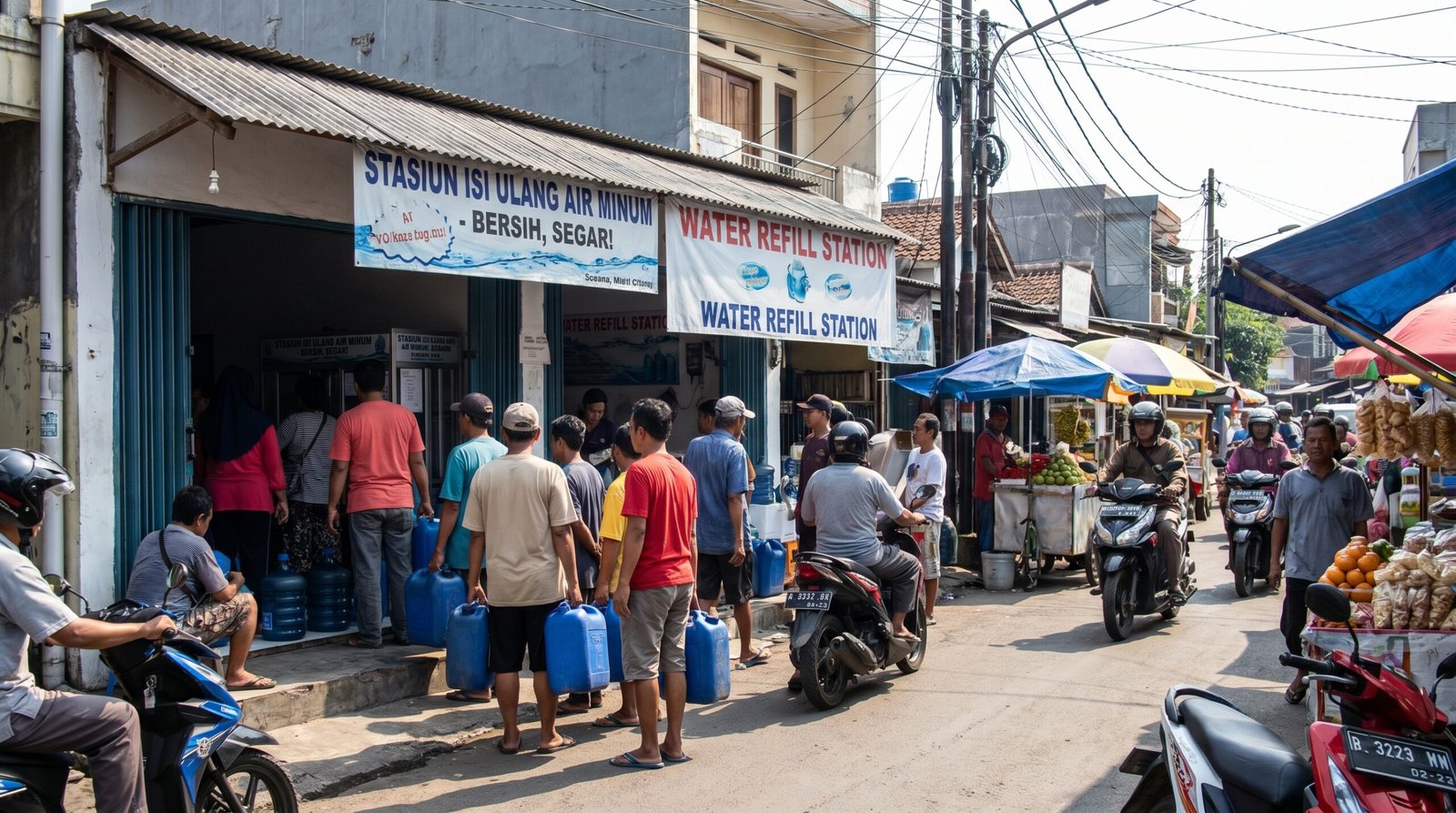
I know the frustration of seeing a long line of customers waiting, only to have your machine stop working suddenly due to poor water refill station maintenance. It costs you money and hurts your hard-earned reputation.
To reduce downtime, you must use industrial-grade equipment, schedule regular preventative maintenance, and keep a stock of critical spare parts on-site. These simple steps ensure your water station stays profitable and reliable for your community every day.
Effective water refill station maintenance is a balancing act between high demand and equipment care. If you want to keep your business running smoothly, prioritizing consistent water refill station maintenance is the only way to keep the water flowing.
Maximizing Pay-Per-Liter Revenue: Why Consistent Equipment Uptime is Vital?
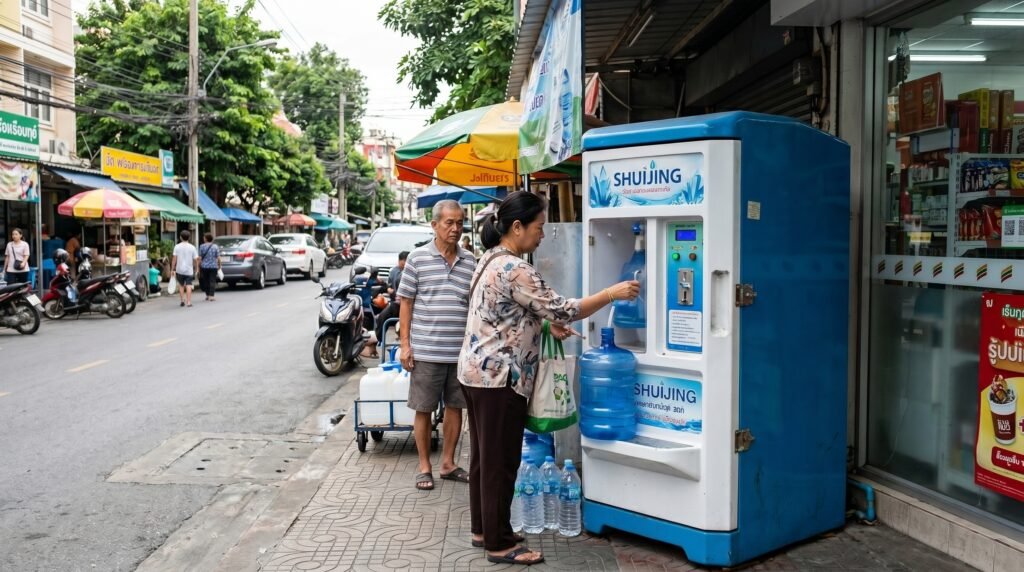
I have seen many station owners lose their best customers simply because their machines were “out of order” during the busiest hours. It is painful to watch potential profit walk away to a competitor.
Consistent equipment uptime is the most important factor in maximizing your revenue because every minute your station is offline, you lose direct cash flow from customers who rely on your water for their daily needs.
Why Every Minute Counts
In a business where you charge by the liter, your income is tied directly to how much water you can pump. When your system breaks, you are not just losing a single sale; you are losing the trust of your customers. If they cannot get water from you today, they will find another station tomorrow.
| Impact of Downtime | Potential Result |
| One hour of downtime | Loss of 200-500 liters of sales |
| Three days of repair time | Customer search for new supplier |
| Persistent equipment failure | Loss of long-term brand loyalty |
The Math of Reliability
Think about your daily volume. If you sell between 3,000 and 8,000 liters per day, even a small failure ruins your numbers. You must treat your machine like a lifeline for the community. When the machine is steady, your cash flow is steady. This gives you the money you need to grow or improve your shop.Do not let small technical issues caused by poor water refill station maintenance turn into big financial losses . Focus on keeping the machine active, and the revenue will follow naturally.
Industrial-Grade Reliability: Choosing Systems Built for Densely Populated Urban Environments?

I started my career looking for cheap machines, but I quickly learned that “cheap” actually costs more in the long run. In a busy city, your machine works much harder than you might think.
To succeed in crowded urban areas, you need industrial-grade reverse osmosis systems that handle high-volume usage without overheating, designed specifically with robust components that resist the wear and tear of non-stop daily operation.
Why Urban Demands Are Higher
City life means people need water at all hours. Your equipment faces constant stress because it never gets a real break. A standard home filter will fail under this pressure. You need systems that are built to last.
Critical Features for Success
You should look for specific features that protect your investment. A good system is not just about filtering water; it is about protecting the machine from itself.
Essential System Components
- Overload Protection: This prevents your motor from burning out when the power changes or the load is too high.
- Remote Monitoring: This allows you to check your system from your phone. You see problems before the machine actually stops.
- TDS Control: A good system keeps your water quality stable under 50 ppm so your customers stay happy and healthy.
| Feature Type | Why It Matters |
| Overload Protection | Stops electrical fires and motor failure |
| Remote Monitoring | Saves time by preventing surprise breakdowns |
| High-Capacity RO | Keeps up with peak community demand |
When you pick the right system, you spend less time fixing parts and more time serving your neighborhood. It is a smart way to protect your business.
Proactive Water Refill Station Maintenance for High-Volume Stations
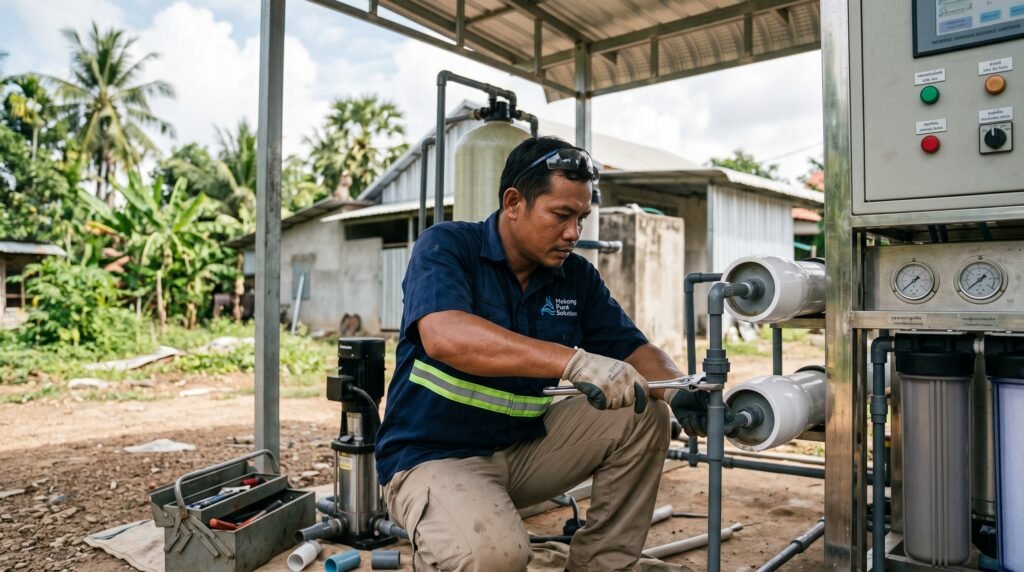
I once ignored a small warning light on a pressure gauge. Two days later, my entire station was flooded. I learned the hard way that waiting for a breakdown is a bad strategy.
Proactive maintenance prevents costly service interruptions by replacing filters, seals, and UV lamps before they fail, ensuring that your water quality remains high and your equipment stays in peak working condition at all times.
Why You Should Act Early
You do not need to wait for a disaster to check your equipment. Many parts in your system have a clear lifespan. If you know when they wear out, you can change them on your own schedule. This means you pick a time when the shop is slow. You do not have to close your doors during the busy peak hours.
Building a Maintenance Schedule
Check the filters every week. Test the water quality every day. Look for small leaks. These small water refill station maintenance jobs take only a few minutes.
Recommended Check-up Frequency
- Daily: Check TDS levels and look for external leaks.
- Weekly: Clean the dispensing area and check pressure gauges.
- Monthly: Inspect all electrical connections for loose wires.
- Quarterly: Replace pre-filters based on volume.
| Maintenance Task | Benefit |
| TDS Testing | Ensures customer trust and safety |
| Gauge Inspection | Finds pressure drops early |
| Cleaning Nozzles | Prevents clogs and slow flow |
By following a plan, you stop problems before they start. It makes your life much easier and your business much more professional. Your customers will notice that your service is always clean and fast.
The Strategic Advantage of Localized Support and Rapid-Response Spare Parts?
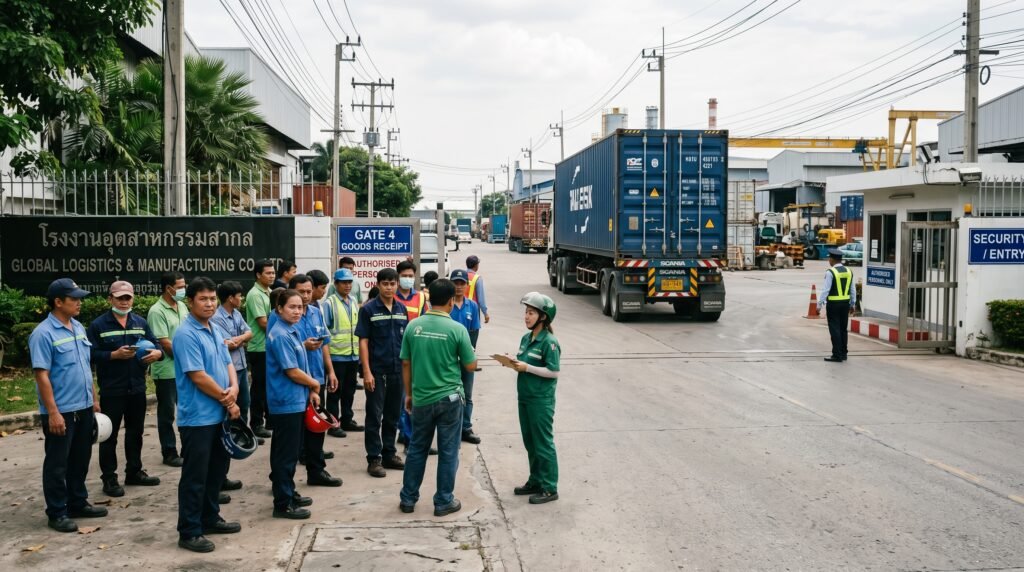
I know the pain of waiting for a part to arrive from across the ocean. While you wait for a package, your business is dead. You cannot afford to lose days of work.
Localized support and having essential spare parts on-site give you a strategic advantage, allowing you to fix common issues immediately and keep your station running even when major repairs are delayed.
Keep Parts Close
Never rely solely on a supplier in another country for the small, critical pieces. If you run a high-volume station, you should always have a “repair kit” in the back of your shop. This should include extra filter cartridges, a spare UV lamp, and basic plumbing seals. When something breaks, you can fix it in ten minutes instead of waiting two weeks.
Build Relationships
It is vital to work with suppliers who care about your success. A good supplier does not just sell you a machine; they help you find a local technician. They make sure you have access to the right parts quickly.
Why Speed Matters
Your competitors are always watching. If you are down for a week, your customers will switch to them. Speed is your best defense. If you have the parts on hand, you have the power to stay open. This reliability builds your brand. People will come to you because they know you are always ready to serve them, no matter what happens with the machines.
Conclusion
Reducing downtime starts with choosing reliable industrial-grade gear, sticking to a strict maintenance plan, and keeping spare parts ready. These simple habits keep your business profitable, steady, and successful.