تُرسل إليك إحدى مصانع الأغذية في منطقتك استفسارًا. إنهم يريدون نظامًا لمعالجة المياه، والطلب كبير. لكن هنا يكمن المأزق. فإذا قدمت عرض أسعار لنظام غير مناسب أو اخترت مصنعًا غير موثوق، فإن عواقب الفشل ستقع على عاتقك أنت، وليس عليهم. لقد شاهدت موزعين جيدين يفقدون عميلاً بسبب عملية تركيب واحدة سيئة.
تختار أنظمة معالجة المياه الخاصة بصناعة الأغذية والمشروبات من خلال الموازنة بين ثلاثة عوامل: استهلاك المصنع من المياه، والشهادات التي يتطلبها السوق المحلي، والشريك الصناعي الذي يدعمك بقطع الغيار والشحن السريع والضمان الفعلي. إذا نجحت في تحقيق التوازن بين هذه العوامل، فإن كل عملية بيع للأغذية والمشروبات ستحمي هامش ربحك وسمعتك.
إليكم ما يكمن وراء كل خيار من هذه الخيارات الثلاثة.
لماذا تُعد جودة المياه عاملاً مهمًا في إنتاج الأغذية؟
يعامل عملاؤك الماء وكأنه مجرد ماء. ثم تصبح إحدى الدفعات عكرة، أو تفشل في الاختبار، أو تفسد قبل الأوان. وعندها تأتي المكالمة الأولى إليك، أنت المورد. لقد رأينا مشكلة واحدة تتعلق بالمياه تقضي على ثقة استغرقت شهورًا في بنائها.
تعد جودة المياه عاملاً مهمًا في إنتاج الأغذية لأن المياه تدخل في كل خطوة تقريبًا. فهي تُستخدم في غسل الأغذية، وخلطها مع المنتج، وتنظيف الآلات، ونقل الحرارة. أما المياه الرديئة فتؤثر سلبًا على المذاق، وتقصر مدة الصلاحية، وتؤدي إلى الفشل في اختبارات السلامة. أما المياه النظيفة فتحمي الدفعة، والعلامة التجارية، وسمعتك كمورد مسؤول عن هذا النظام.
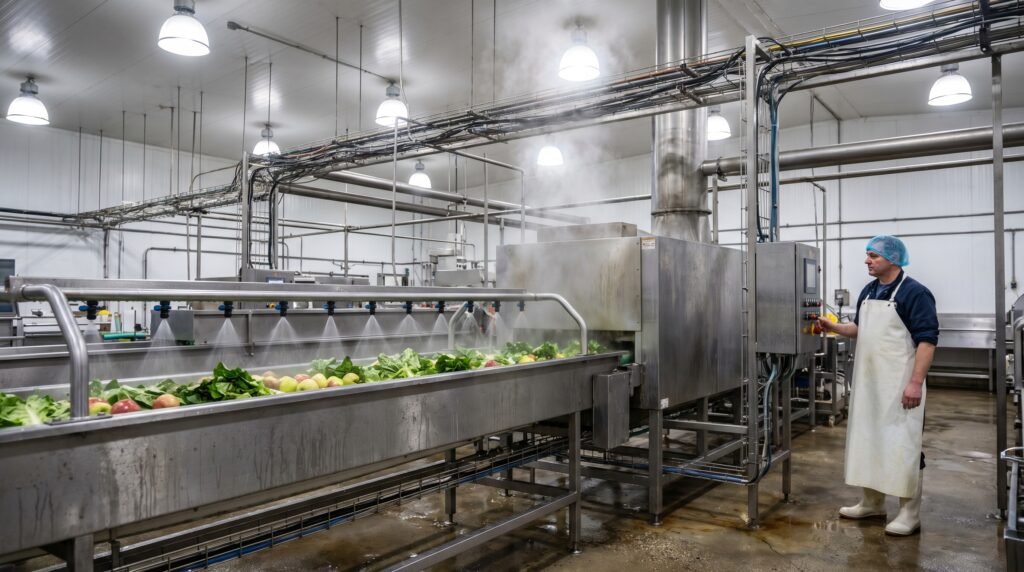
الماء ليس مجرد عنصر ثانوي في مصانع الأغذية أو المشروبات. ففي العديد من المشروبات، يشكل الماء أكثر من 90% من محتويات الزجاجة. لذا، فإن الماء هو المنتج بحد ذاته. أما في صناعة الأغذية، فيُستخدم الماء لغسل المنتجات الزراعية، ونقل البخار والحرارة، وتنظيف كل الأسطح التي يتلامس معها. وإذا كان الماء ملوثًا، فإن المشكلة تمتد لتشمل كل ما يلامسه.
في الأماكن التي يتلامس فيها الماء مع المنتج 💧
إليك طريقة بسيطة لفهم الأمر. يظهر الماء في كل مرحلة تقريبًا، وكل مرحلة تنطوي على مخاطرها الخاصة.
| خطوة العملية | ما الذي يفعله الماء | المخاطر في حالة سوء جودة المياه |
|---|---|---|
| الماء (مكون) | يصبح جزءًا من المشروب | طعم غير طبيعي، عكارة، فشل في الاختبار المختبري |
| الغسل والشطف | ينظف الأطعمة النيئة | تظل البكتيريا موجودة على المنتج |
| التدفئة والتبريد | تقوم بتشغيل الغلايات ومبردات المياه | تتراكم الرواسب، وترتفع فواتير الطاقة |
| تنظيف المعدات (CIP) | ينظف الخزانات والأنابيب | المخلفات المتبقية، مخاطر انتقال التلوث بين الدفعات |
| الجليد والبخار | يبرد الطعام أو يطهوه | التلوث الخفي في المنتج النهائي |
ما هي تكلفة المياه الرديئة التي يتحملها عميلك، وأنت أيضًا؟
المياه الرديئة تكلف الكثير. فالدفعة التالفة تُرمى. وقد يؤدي فشل الاختبار إلى توقف دورة إنتاج بأكملها. كما أن المياه العسرة تترك ترسبات كلسية داخل المضخات والأغشية، مما يؤدي إلى تعطل الآلات في وقت أبكر. وبالنسبة لعميلك، يعني ذلك خسارة في المنتج ووقت تعطل. أما بالنسبة لك، فقد يعني ذلك مطالبات الضمان، ورحلات الصيانة، وعميلًا يلقي باللوم على النظام الذي بعتَه.
لهذا السبب لا يُعتبر نظام المياه النظيفة تكلفة، بل هو وسيلة حماية. تعمل تقنية التناضح العكسي (RO) ذات المراحل الثماني الخاصة بنا على إزالة الجسيمات التي يصل حجمها إلى 0.0001 ميكرون، وتصل نسبة التعقيم إلى 99.99%. كما أن التعرض المستمر للأشعة فوق البنفسجية يحافظ على سلامة المياه بعد الترشيح. كل الأجزاء التي تلامس الماء خالية من الرصاص، وبالتالي لا يتسرب الرصاص إلى الطعام أو الشراب. عندما يظل الماء نظيفًا، يستمر عميلك في إنتاج منتجات جيدة. وبذلك تتلقى عددًا أقل من مكالمات الخدمة وتزداد الطلبات المتكررة. هذا هو السبب الخفي الذي يجعل جودة المياه تحمي هامش ربحك، وليس فقط دفعة إنتاج عميلك.
ما هي المعايير التي يجب أن تستوفيها مياه الأغذية والمشروبات؟
لكل سوق قواعده. إذا خالفت إحدى هذه القواعد، فستتعطل الشحنة عند الجمارك، أو سيفشل النظام في اجتياز الفحص الميداني. وقد شهدنا موزعين علقوا مع معدات لم تتمكن من الحصول على الموافقة المحلية، مما أدى إلى تجميد أموالهم وترك العملاء في انتظار.
يجب أن تستوفي المياه المستخدمة في الأغذية والمشروبات معيارين. أولاً، يجب أن تكون المياه صالحة للشرب وفقاً للوائح المحلية وأنظمة سلامة الأغذية مثل HACCP و ISO 22000. ثانياً، يجب أن تحمل المعدات شهادات دخول السوق الخاصة بالبلد المقصود، مثل SASO أو BIS أو NOM أو INMETRO أو CE. وكلا الشرطين مهمان لضمان بيع منتجات نظيفة.
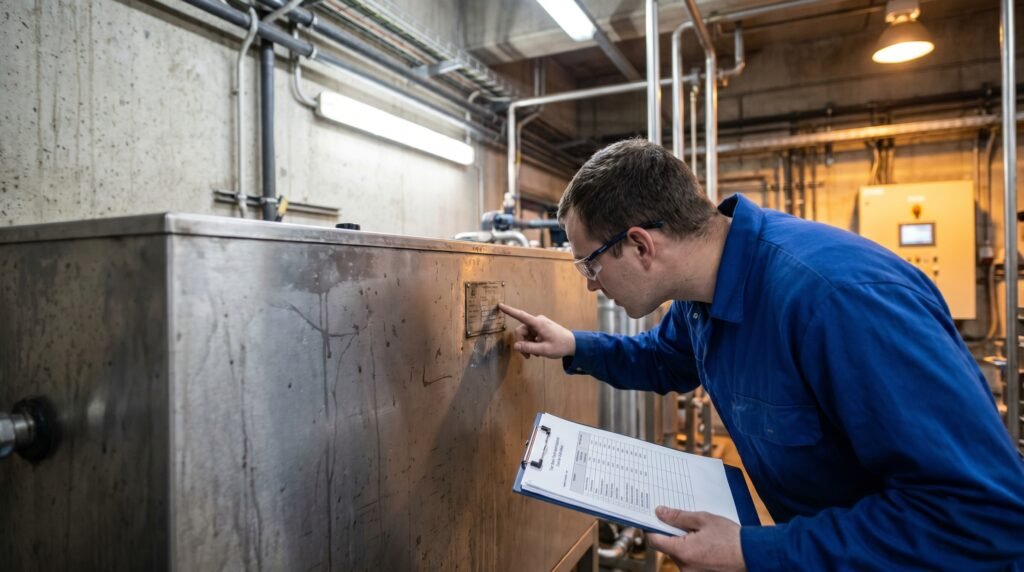
يخلط العديد من المشترين بين أمرين مختلفين. الأول هو جودة المياه. والثاني هو شهادة اعتماد الجهاز. فأنت بحاجة إلى كليهما، وهما ليسا نفس الشيء.
الطبقة الأولى: هل المياه آمنة؟
يجب أن تكون المياه المستخدمة في مصانع الأغذية أو المشروبات نظيفة على الأقل بقدر نظافة مياه الشرب الآمنة. وتستند العديد من الأسواق في آسيا وأفريقيا والشرق الأوسط وأمريكا اللاتينية في لوائحها المحلية إلى «إرشادات منظمة الصحة العالمية بشأن جودة مياه الشرب». كما يتبع مصنعو الأغذية معايير «كودكس أليمنتاريوس» ويطبقون أنظمة سلامة الأغذية مثل نظام تحليل المخاطر ونقاط التحكم الحرجة (HACCP) ومعيار ISO 22000. وتحدد هذه المعايير حدودًا قصوى لعناصر مثل البكتيريا والمواد الصلبة الذائبة وطعم الكلور. وبالنسبة للمشروبات الشفافة، غالبًا ما يتعين أن تكون المياه أنقى من مياه الصنبور، مع انخفاض نسبة المواد الصلبة الذائبة (TDS) وخلوها من أي رائحة غريبة.
لذا، يتعين على النظام أن يؤدي عملاً فعليًّا. فعليه إزالة الرواسب، وفصل المواد الصلبة الذائبة، وقتل الميكروبات، والحفاظ على تلك الجودة دفعةً بعد دفعة.
المرحلة الثانية: هل المعدات معتمدة للسوق؟ ✅
وهذا هو المكان الذي تتعثر فيه العديد من الصفقات. فالنظام المتميز لا فائدة منه إذا لم يتمكن من دخول البلد. فكل سوق يريد الحصول على الموافقة الخاصة به. وإليكم خريطة موجزة.
| التصديق | السوق الرئيسي | ما الغرض منه؟ |
|---|---|---|
| الهيئة السعودية للمواصفات والمقاييس والجودة | المملكة العربية السعودية / الخليج | سلامة المنتجات ودخول الأسواق |
| هيئة الإمارات للمواصفات والمقاييس | الإمارات العربية المتحدة | المطابقة للمعايير ودخول السوق |
| بنك التسويات الدولية | الهند | معيار المنتج الإلزامي |
| نــوم | المكسيك | قواعد السلامة ووضع العلامات |
| إنميترو | البرازيل | مطابقة المنتج |
| كيه سي | كوريا الجنوبية | السلامة الكهربائية |
| PSE | اليابان | السلامة الكهربائية |
| CE | الاتحاد الأوروبي والعديد من الأسواق | السلامة والمطابقة |
نحن حائزون على شهادات CE وSASO وBIS وINMETRO وNOM وKC وPSE وESMA وغيرها. كما نقدم الدعم في مجال الامتثال لأكثر من 30 سوقًا. لذا، عندما تقوم بتخزين نظام يحمل بالفعل شهادة اعتماد سوقك، يتم التخليص الجمركي بشكل أسرع، ويتم اجتياز اختبار التركيب بنجاح، وتتمكن من إبرام الصفقة دون مواجهة أي مفاجآت تتعلق بالامتثال. هناك نقطة أخرى يمكنك الاستفادة منها مع عملاء قطاع الأغذية: اسأل عما إذا كانت الأجزاء الملامسة للأغذية مطابقة لمعايير الأغذية. فوحداتنا خالية من الرصاص، وهو ما يمثل ميزة واضحة عندما يتم استخدام المياه في الطعام أو الشراب.
ما هي أنظمة المعالجة التي تستخدمها مصانع الأغذية والمشروبات؟
لا تحتاج مصانع المياه المعبأة ومصانع الجعة ومصانع الألبان إلى نفس التجهيزات. فإذا ذكرت التجهيزات الخاطئة، فسيبدو أنك لا تعرف هذا القطاع جيدًا. وقد رأينا كيف أن هذا الخطأ الوحيد كفيل بتدمير الثقة في لمح البصر.
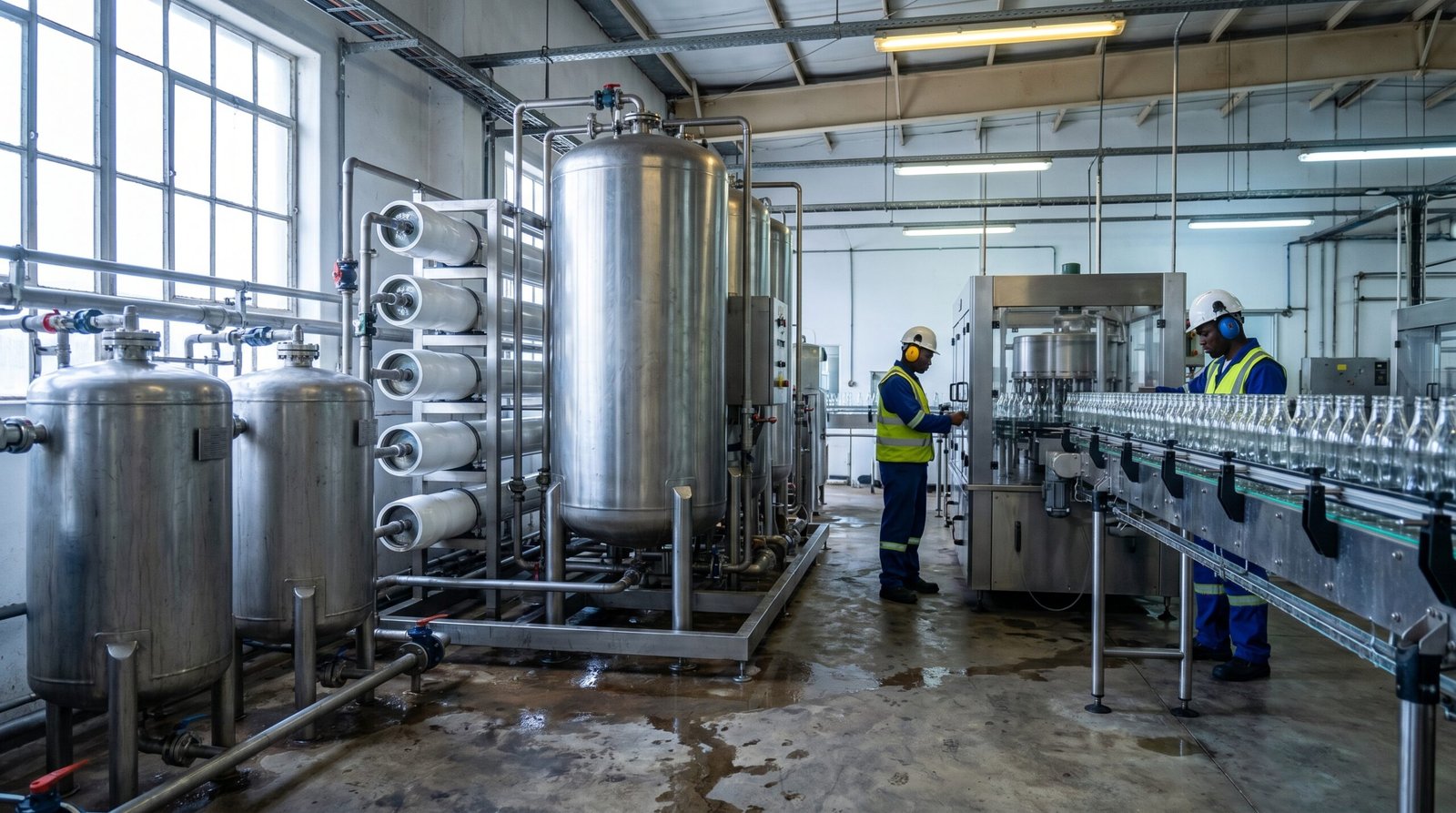
تستخدم معظم مصانع الأغذية والمشروبات نظامًا متعدد المراحل: الترشيح الأولي لاحتجاز الرواسب، والتناضح العكسي لإزالة المواد الصلبة الذائبة، والتعقيم بالأشعة فوق البنفسجية لقتل الميكروبات. وتضيف بعض المصانع عملية إعادة التمعدن لتحسين المذاق. ثم يتم تحديد حجم النظام وفقًا للإنتاج اليومي للمصنع، بدءًا من خطوط تعبئة المياه الصغيرة وصولاً إلى المنشآت الصناعية ذات الحجم الكبير.
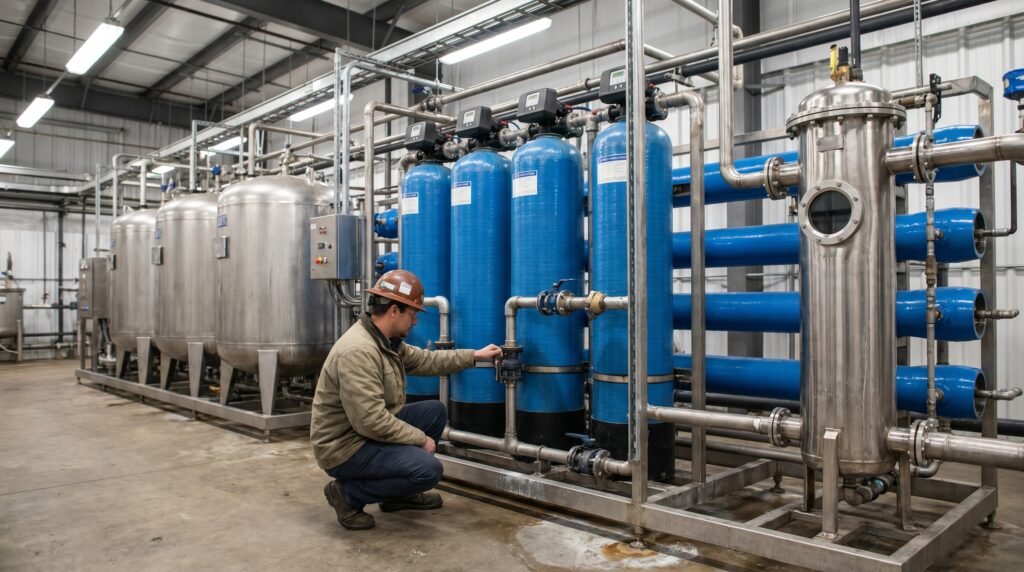
الخبر السار هو أن معظم أنظمة توزيع المياه في قطاع الأغذية والمشروبات تستند إلى نفس الأساس. وبمجرد أن تتعرف على العناصر الأساسية، يمكنك تلبية احتياجات أي عميل تقريبًا.
الركائز الأساسية
يتكون خط الترشيح النموذجي من خمسة أجزاء. تعمل مرحلة الترشيح الأولي على احتجاز الرمل والصدأ والجزيئات الكبيرة. ويُعد التناضح العكسي قلب النظام. تعمل تقنية التناضح العكسي ذات الثماني مراحل التي نقدمها على دفع المياه عبر غشاء بسماكة 0.0001 ميكرون وتحقق معدل تعقيم يصل إلى 99.99%، وبالتالي تزيل المواد الصلبة الذائبة التي تفوتها مرشحات الصنبور. يتم إجراء التعقيم بالأشعة فوق البنفسجية بعد عملية التناضح العكسي، مما يحافظ على سلامة المياه دون استخدام أي مواد كيميائية. وتعد عملية إعادة التمعدن اختيارية. ويمكن لمرحلة القلوية الغنية بالسترونتيوم التي نقدمها إعادة إضافة المعادن لتحسين المذاق. أما مرحلتا التخزين والجرعات فتحتفظان بالمياه النظيفة حتى تحتاجها المنشأة.
هناك ميزة واحدة توفر أموالاً حقيقية في الأسواق التي تعاني من ندرة المياه: تصميمنا الذي لا ينتج أي مياه عادمة. في بعض مناطق الشرق الأوسط وأفريقيا، تعتبر المياه باهظة الثمن، لذا فإن تقليل كمية المياه المهدرة يعني انخفاض تكاليف التشغيل لعملائك. وهذه نقطة يسهل الترويج لها.
تكييف النظام مع احتياجات العميل 🔧
يحتاج كل عميل في قطاع الأغذية والمشروبات إلى نهج مختلف. إليك دليل بسيط يمكنك الاستعانة به عند تقديم عروض الأسعار.
| عميل قطاع الأغذية والمشروبات | الاحتياجات الرئيسية من المياه | ما الذي يجب اقتباسه |
|---|---|---|
| مصنع المياه المعبأة | نقي، مستقر، ذو مذاق جيد | التناضح العكسي + الأشعة فوق البنفسجية + إعادة التمعدن |
| العصائر والمشروبات الغازية | مستوى TDS منخفض، ولا يوجد طعم غريب | التناضح العكسي + الأشعة فوق البنفسجية |
| منتجات الألبان | مياه الغسيل والمعالجة الآمنة | تناضح عكسي + الأشعة فوق البنفسجية + مرشح أولي قوي |
| مصنع الجعة ومصنع التقطير | المعادن الخاضعة للرقابة | التناضح العكسي + إعادة التمعدن |
| نبات الثلج | ثلج نقي وشفاف | RO + الأشعة فوق البنفسجية + آلة صنع الثلج |
| تجهيز الأغذية بشكل عام | مياه الغسيل الآمنة ومياه التنظيف في مكان التصنيع (CIP) | مرشح أولي + التناضح العكسي (RO) + الأشعة فوق البنفسجية (UV) |
الإضافات التي تساعدك على زيادة مبيعاتك
هناك عاملان إضافيان مهمان لعملك، وليس للمصنع فحسب. أولاً، إنترنت الأشياء الذكي. يمكن لأنظمتنا أن تشتمل على مسبار TDS وتطبيق يوفر تنبيهات بشأن عمر الفلتر. وعندما يحين موعد استبدال الفلتر، يقوم التطبيق بإخطار العميل. وهذا يؤدي إلى إعادة طلب قطع الغيار والفلاتر، مما يمثل مصدر دخل متكرر وثابت لك. يمكن تخصيص التطبيق بعلامتك التجارية، بحيث يعرض اسم شركتك. ثانياً، التنوع في المنتجات. نحن نصنع أكثر من 200 طراز وآلات لتجهيز الأغذية، مما يتيح لك خدمة العديد من العملاء من مورد واحد بدلاً من البحث عن خمسة موردين. بالنسبة للمصانع الساحلية القريبة من البحر، نقوم أيضًا ببناء محطات لتحلية مياه البحر بسعة تصل إلى 2 طن/ساعة. أما بالنسبة للمصانع الداخلية الكبيرة، فإننا نقوم بتصميم خطوط التناضح العكسي الصناعية وفقًا للإنتاج اليومي الذي تحتاجه.
كيف تختار النظام المناسب لمصنع الأغذية والمشروبات؟
النظام مهم. لكن المصنع الذي يقف وراءه أكثر أهمية. فالوحدة الرخيصة التي تفتقر إلى قطع الغيار وتستغرق وقتًا طويلاً في الشحن ستكلفك خسارة العملاء. لقد رأينا موزعين علقوا بمعدات لم يتمكنوا من صيانتها أو تجديد مخزونها، مما أدى إلى هروب العملاء.
اختر النظام المناسب من خلال مطابقة سعته مع الإنتاج اليومي للمصنع والتأكد من حصوله على الشهادات المطلوبة في سوقك. ثم تحقق من المصنع الذي ينتجه. الشريك الأفضل هو الذي يوفر لك هامش ربح عادل بالجملة، وكمية طلب أدنى منخفضة للدخول إلى السوق، وقطع غيار سريعة التوريد، وشحن في الموعد المحدد، وضمان لمدة سنتين يمكنك الاعتماد عليه.
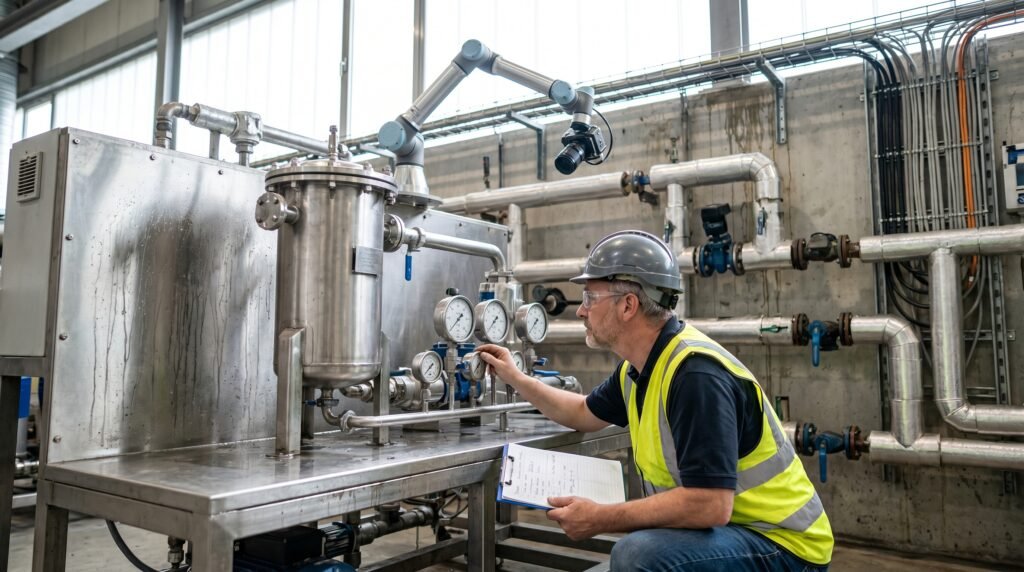
فالنظام الجيد الذي ينتجه مصنع ضعيف لا يزال يمثل مخاطرة. لذا فإن الاختيار الحقيقي يكمن في الشريك. وإليكم الطريقة التي نرى أن على الموزع أن يقيّم بها الشريك.
الخطوة 1: مطابقة السعة والشهادات
ابدأ بالنظر إلى الإنتاج اليومي للمصنع وسوقه. حدد حجم النظام وفقًا للحجم، وليس وفقًا لأقل سعر. ثم تأكد من أن الوحدة حاصلة على الشهادة المحلية قبل الشحن. فهذا يتجنب العاملين الأكثر شيوعًا اللذين قد يؤديان إلى فشل الصفقة: نظام أصغر من اللازم، ونظام لا يمكن تخليصه جمركيًا.
الخطوة 2: قم بتقييم المصنع، لا تقتصر على السعر فقط 🔍
من السهل مقارنة الأسعار. أما الموثوقية فهي أصعب، لكنها أكثر أهمية. إن سجل إنجازات يمتد على مدى 15 عامًا يؤكد لك أن المصنع سيظل موجودًا لتلبية مطالبات الضمان الخاصة بك. يستخدم مصنعنا الذي تبلغ مساحته 50,000 متر مربع تقنية التجميع بالرؤية الآلية بتفاوت لا يتجاوز 0.01 ملم، مما يضمن ثبات الجودة في كل دفعة. ابحث عن الأدلة، لا الوعود.
إليكم ما طرحناه للنقاش.
| ما يجب التحقق منه | لماذا يهمك هذا الأمر؟ | إجابتنا |
|---|---|---|
| سجل الصادرات | يثبت قدرتهم على الشحن وتوثيق الشحنات | 45 دولة، أكثر من 2,000,000 وحدة، أكثر من 500 شريك في مجال الأعمال بين الشركات (B2B) |
| معدل النجاح في المصنع | عيوب أقل، وطلبات صيانة أقل | 99.6% نسبة النجاح |
| الاختبار | يؤكد أن كل وحدة تعمل | اختبار 100% لمقاومة التسرب الهوائي، وتدفق الماء، واختبار التقادم لمدة 24 ساعة |
| المختبر وغرفة الأبحاث | مراقبة الجودة الحقيقية | مختبر معتمد من CNAS، غرفة نظيفة من الفئة 100K |
| براءات الاختراع والبحث والتطوير | تصميم أصلي، وليس نسخة مقلدة | أكثر من 120 براءة اختراع، وأكثر من 50 مهندسًا |
| التفتيش | التحقق المستقل قبل الدفع | عمليات الفحص التي تجريها جهات خارجية مثل SGS أو BV أو TÜV |
هذا هو الجزء الذي يحميك من أكبر مخاوفك: مشاكل الجودة الخفية. فعندما تجتاز 100% وحدة اختبارات مانعة لتسرب الهواء، وتدفق المياه، واختبار التقادم لمدة 24 ساعة، يمكنك شحنها إلى عميلك بثقة تامة.
الخطوة 3: تحقق من الشروط التي تحمي أموالك والهامش
تحدد شروط الصفقة مدى أمان أموالك. نحرص على أن تكون تكلفة الدخول منخفضة وأن تكون الإجراءات واضحة. يمكنك البدء بعينات الموزع التي تبدأ من 10 قطع، حتى تتمكن من الاختبار قبل الالتزام. يتم الدفع على شكل 30% كعربون و70% قبل الشحن، عن طريق التحويل المصرفي (T/T) أو خطاب الاعتماد (L/C) أو PayPal. أثناء الإنتاج، ستتلقى تحديثات يومية بالصور ومقاطع الفيديو، حتى لا تكون هناك مفاجآت. نقوم بالشحن بشروط FOB أو CIF أو DDP من تشينغداو أو شنغهاي. تعني شروط DDP التسليم من الباب إلى الباب، مما يزيل عنك عبء اللوجستيات. كل وحدة تأتي مع ضمان لمدة سنتين. كما توفر لك قطع الغيار والفلاتر مبيعات متكررة ثابتة بعد الطلب الأول.
الخطوة الرابعة: احصل على الدعم الذي يساعدك على الفوز
أنت بحاجة أيضًا إلى المساعدة في البيع، وليس مجرد صندوق. نحن نعمل كامتداد لفريقك. يتيح لك تطبيق إنترنت الأشياء (IoT) القابل للعلامة التجارية المشتركة وخدمتنا الخاصة بمصنعي المعدات الأصلية (OEM) ومصممي التصميم الأصلي (ODM) وضع اسمك الخاص على المنتج. هل ترغب في مناقشة نطاق التوزيع وخطة العلامة التجارية المشتركة لسوقك؟ يسعدنا إجراء هذه المحادثة معك.
الخاتمة
المياه النظيفة تحمي عملاءك من قطاع الأغذية والمشروبات. أما النظام المناسب والمصنع ذو السمعة الطيبة فيوفران لك الحماية. احرص على مطابقة السعة، وتأكد من الشهادات، واختر شريكًا يتمتع بسجل حافل. هل تريد عرض أسعار أو عينة؟ تواصل معنا اليوم.