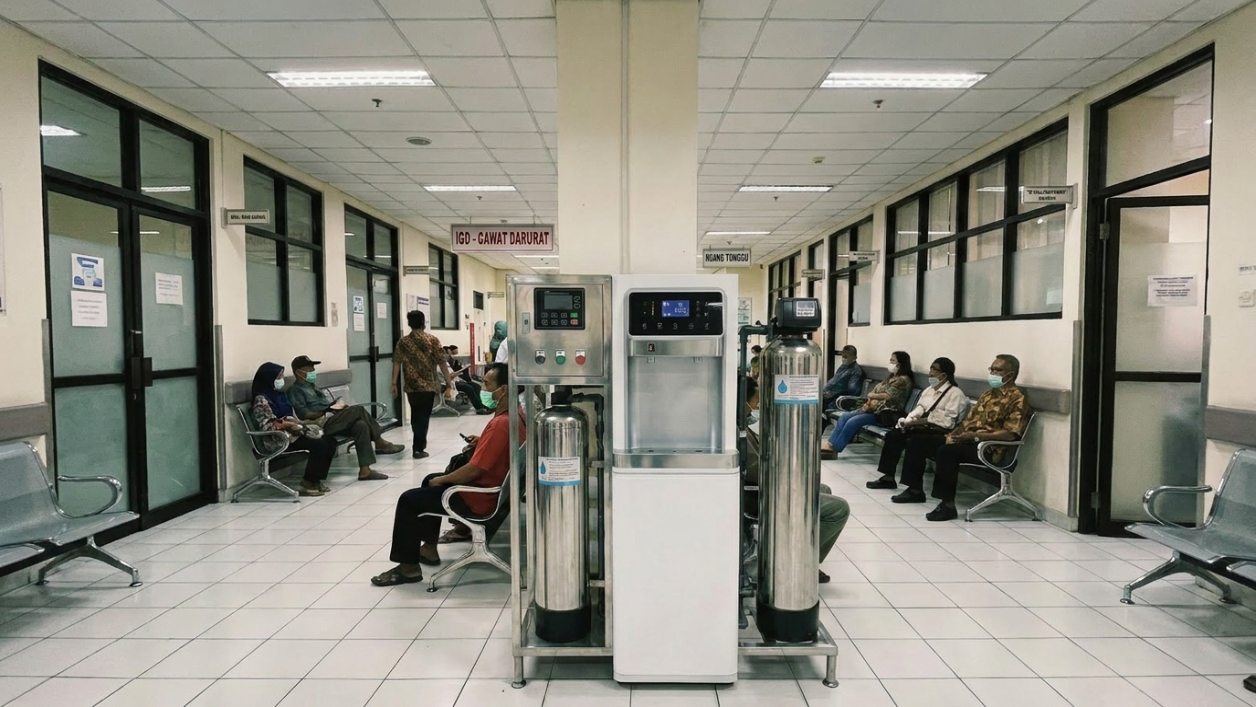
Conozco la intensa presión a la que se ven sometidos los directores de compras de los hospitales. Cuando se adquieren sistemas de agua para uso médico destinados a una UCI o a una unidad de diálisis, un solo fallo no supone solo una pérdida económica, sino una crisis de vida o muerte. Recientemente ayudé a un responsable de infraestructuras médicas del sudeste asiático a superar precisamente esta pesadilla.
Los hospitales de los mercados emergentes están adquiriendo sistemas de agua para uso médico de fabricación china porque estas soluciones avanzadas ofrecen el rendimiento ultrapuro y sin fallos que se requiere para los cuidados intensivos, pero a una fracción del coste de las marcas occidentales tradicionales. Gracias al uso de tecnología de purificación profunda, los grandes hospitales públicos y privados pueden modernizar redes regionales completas al tiempo que controlan estrictamente los presupuestos operativos a largo plazo.
Permítanme contarles cómo transformamos por completo la infraestructura hidráulica de una importante red sanitaria de Yakarta, demostrando que no es necesario renunciar a una calidad que salva vidas para ajustarse a un presupuesto institucional estricto.
El dilema de la diálisis: garantizar sistemas de agua para uso médico fiables en los hospitales de Yakarta
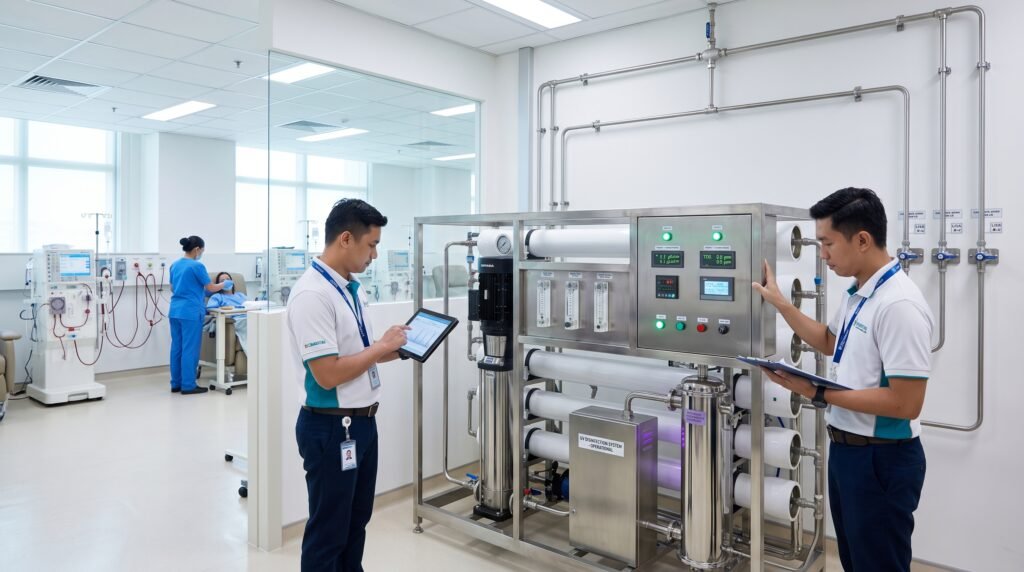
Recuerdo estar sentado en una sala de juntas llena de tensión en Yakarta. El responsable de infraestructura médica del hospital estaba agotado. Los antiguos sistemas de suministro de agua de la unidad de diálisis estaban fallando, lo que provocaba paradas inesperadas que ponían a los pacientes vulnerables en grave peligro.
Garantizar un suministro fiable de agua de grado médico supone un enorme dilema para los hospitales de los mercados emergentes. Las unidades de diálisis y las UCI no pueden permitirse ninguna fluctuación en la calidad del agua. Los directores de compras deben encontrar equipos con un historial de “cero fallos” para superar las rigurosas inspecciones sanitarias y garantizar la seguridad absoluta de los pacientes.
En el ámbito médico, la toma de decisiones es fundamentalmente diferente a la del sector comercial. Un hotel o una tienda minorista pueden buscar un “retorno de la inversión rápido”. El director de un hospital busca la supervivencia. El agua utilizada en la hemodiálisis pasa directamente al torrente sanguíneo del paciente. Si el agua contiene incluso un rastro microscópico de endotoxinas, bacterias o metales pesados, las consecuencias son catastróficas.
El hospital de Yakarta se encontraba en una situación complicada, ya que dependía de unos sistemas de agua para uso médico obsoletos. Sus costosos sistemas europeos de agua para uso médico se estaban quedando anticuados y las piezas de recambio tardaban meses en llegar. La calidad del agua del grifo local era impredecible, lo que suponía una carga enorme para los viejos filtros. Necesitaban urgentemente modernizar sus sistemas de agua para uso médico, pero los presupuestos de los proveedores occidentales tradicionales eran astronómicos. Necesitaban una solución de emergencia en forma de sistemas de agua para uso médico de alta gama que ofrecieran la máxima seguridad sin arruinar su presupuesto.
Modernización de las infraestructuras: el potencial de la tecnología de filtración por ósmosis inversa (RO) y rayos ultravioleta (UV) de alta pureza
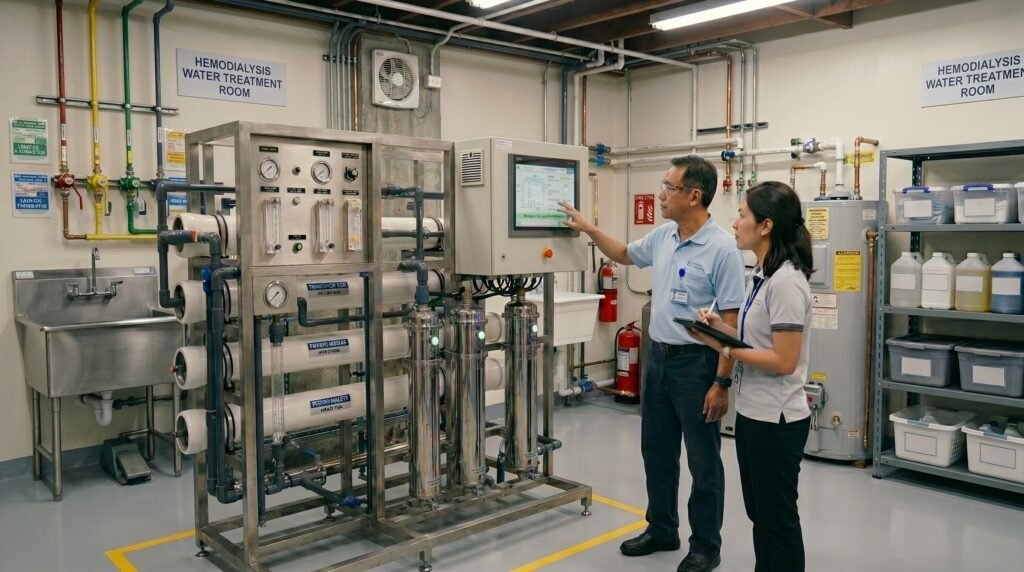
Le dije a la junta directiva del hospital que no era necesario que pagaran un sobreprecio por sistemas de agua para uso médico de marca. Les mostré las capacidades técnicas concretas de shuijing‘la fabricación china de alta gama.
La mejora de la infraestructura médica requiere superar importantes obstáculos técnicos. Gracias al uso de múltiples etapas de purificación profunda, entre las que se incluyen la ósmosis inversa (RO) de grado médico combinada con una esterilización avanzada mediante rayos ultravioleta (UV), los sistemas chinos superan sistemáticamente las normas sanitarias y de atención sanitaria más rigurosas a nivel mundial.
El agua de grado médico no es simplemente agua “limpia”, sino un líquido altamente refinado. Para convencer a una empresa de ingeniería especializada o a un consejo de administración hospitalario exigente, hay que aportar pruebas técnicas irrefutables. Eso es precisamente lo que hicimos.
Hemos introducido sistemas de agua para uso médico diseñados a medida, pensados específicamente para las exigencias extremas de su entorno local.
El proceso de purificación profunda
Nuestra solución se basaba en una arquitectura impecable y de varias etapas:
- Pretratamiento: Eliminación de sedimentos pesados y picos locales de cloro antes de que puedan llegar a las membranas sensibles.
- Ósmosis inversa de doble paso: Se hace pasar el agua dos veces por membranas especializadas de ósmosis inversa para conseguir una conductividad ultrabaja.
- Esterilización UV en línea: Destruye al instante el ADN de cualquier contaminante biológico que pueda quedar.
- Filtros de endotoxinas: Proporciona una barrera definitiva y absoluta justo antes de que el agua llegue a las máquinas de diálisis.
Comparación de soluciones de agua para uso médico
| Característica | Sistema occidental tradicional | Sistema médico avanzado DEWIN |
| Método de purificación | Habitación individual estándar RO | Ósmosis inversa de doble paso + UV + endotoxinas |
| Cumplimiento de las normas de higiene | Cumple con las normas | Supera las rigurosas normas internacionales |
| Plazo de mantenimiento | De 3 a 6 meses para las piezas | Asistencia directa e inmediata desde la fábrica |
| Arquitectura del sistema | Cerrado, propietario | Componentes de código abierto y de fácil mantenimiento |
Cuando el laboratorio independiente del hospital analizó el agua producida por nuestros sistemas de agua para uso médico, los resultados fueron perfectos. No solo cumplimos con las normas del gobierno local, sino que las superamos. Demostramos que la fabricación china de alta gama cuenta con las capacidades técnicas necesarias para construir una auténtica infraestructura de grado médico.
Fiabilidad que salva vidas: lograr cero fallos en ocho centros sanitarios de gran volumen
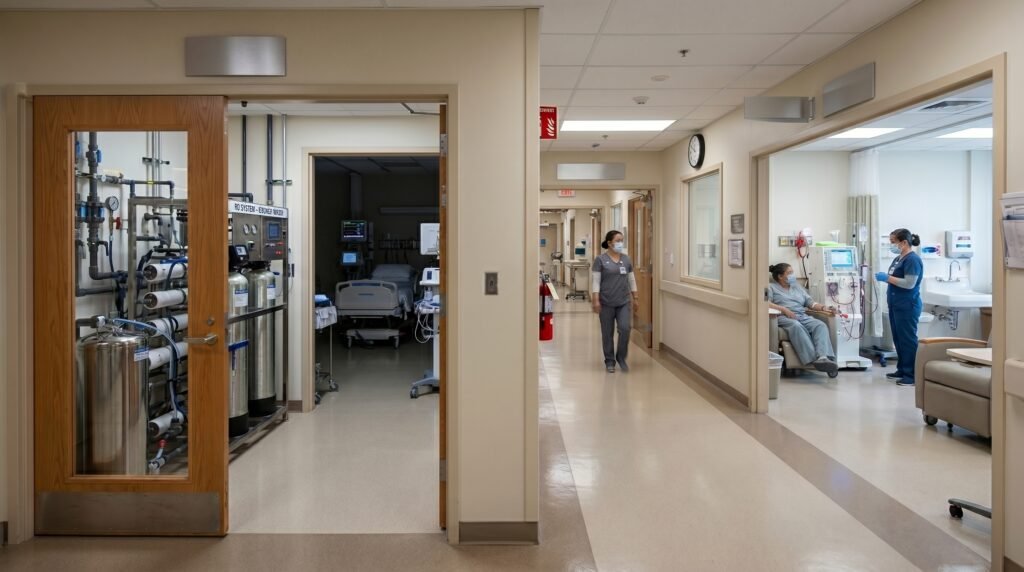
Al director de Yakarta le encantaba la tecnología, pero tenía una última exigencia ineludible: “No puede fallar. Jamás”. Le prometí una estabilidad sin igual.
Para lograr un nivel cero de fallos en centros sanitarios con un gran volumen de pacientes, se requieren diseños de sistemas redundantes y componentes de calidad industrial. En las UCI y los centros de diálisis, el funcionamiento continuo es vital, por lo que la gestión de riesgos de seguridad extremos es la máxima prioridad para los distribuidores de productos médicos.
En un entorno comercial, una máquina de agua averiada supone una queja del cliente. En un hospital, el fallo de los sistemas de agua para uso médico implica el cierre de una sala. La red de Yakarta funcionaba las 24 horas del día, los 7 días de la semana. No podían permitirse ni una sola hora de inactividad imprevista.
Diseño para la gestión de riesgos extremos
Para lograr un historial de “cero fallos”, diseñamos los sistemas con redundancia absoluta. Si una bomba principal presentaba algún problema, una bomba de reserva se activaba automáticamente en milisegundos. Utilizamos tuberías de acero inoxidable de alta resistencia para evitar la acumulación de biopelícula y garantizar ciclos de desinfección química sin interrupciones.
Implantamos estos robustos sistemas no solo en el principal hospital de la ciudad, sino también en ocho centros diferentes de la región con un elevado volumen de pacientes. Dado que los sistemas se diseñaron pensando en la estabilidad y no solo en unos bajos costes de producción, gestionaron a la perfección el incesante volumen diario de pacientes. A lo largo de ese primer año crítico, la red hospitalaria no registró ni un solo caso de interrupción del servicio relacionada con el agua. Este historial operativo impecable consolidó nuestra posición como socio de plena confianza para su infraestructura médica.
Aprovechar al máximo los presupuestos sanitarios: cómo una inversión de $95K estableció un nuevo estándar en la atención sanitaria

Cuando se presentó la factura final, la autoridad sanitaria regional se quedó atónita. Habían modernizado toda una red por el precio que solían pagar por un solo edificio.
Es posible sacar el máximo partido a los presupuestos sanitarios cuando los hospitales se abastecen directamente de fabricantes chinos de primer nivel. Una inversión estratégica de $95 000 permite equipar hasta ocho centros con sistemas de purificación extrema, lo que ofrece una ventaja de precio abrumadora al tiempo que garantiza el control de los costes operativos a largo plazo.
Los hospitales públicos y las redes sanitarias privadas de los mercados emergentes se encuentran en una situación de aprieto financiero. Deben ofrecer una atención sanitaria de primer nivel, pero sus presupuestos institucionales no dejan de reducirse. Es aquí donde falla la antigua lógica de las compras. Comprar exclusivamente a marcas occidentales tradicionales limita la capacidad de expansión de un hospital.
El gran avance financiero
La red de Yakarta contaba con un presupuesto específico para adquisiciones de alrededor de $100 000. En un principio, pensaban que esta cantidad solo les permitiría modernizar la unidad de diálisis de su principal hospital de referencia. Las otras siete clínicas regionales tendrían que esperar, lo que pondría en riesgo a los pacientes.
Cambiamos por completo su realidad. El coste total del proyecto para las ocho instalaciones fue de tan solo $95 000.
Valor de las compras institucionales
| Repercusiones presupuestarias | Estrategia de marca tradicional | La estrategia de abastecimiento de DEWIN |
| Gastos de capital | $90K – $120K (por hospital) | $95K (para un total de 8 hospitales) |
| Alcance de la actualización | 1. Solo en el centro principal | Red sanitaria regional completa |
| Control de costes a largo plazo | Alto (filtros patentados caros) | Bajo (consumibles estandarizados y asequibles) |
| Valor global | Presupuestos sanitarios ajustados | Máxima atención y seguridad para los pacientes |
Esta ventaja abrumadora en cuanto al precio no se debió a un recorte en la calidad, sino al abastecimiento directo desde fábrica y a una escala de fabricación eficiente. Al asociarse con nosotros, el director de compras logró algo increíble. Protegió a sus pacientes con una tecnología sin fallos, cumplió con los estrictos requisitos de los inspectores de cumplimiento normativo y se mantuvo muy por debajo del presupuesto de su centro. Estableció un nuevo estándar de atención sanitaria en todo su país.
Conclusión
Al exigir una fiabilidad sin fallos, adoptar tecnologías avanzadas de ósmosis inversa (RO) y rayos ultravioleta (UV), y gestionar el abastecimiento de forma inteligente, los hospitales de los mercados emergentes pueden superar las limitaciones presupuestarias y ofrecer una seguridad médica de primer nivel a todos los pacientes.